

📌 Introduction
The gig economy is evolving faster than ever, and the Future of Freelancing in 2026 promises exciting opportunities and challenges. Freelancing is no longer a temporary career option but a viable long-term path for professionals worldwide. As businesses increasingly shift to remote and project-based work, understanding the trajectory of freelancing becomes crucial for both freelancers and companies seeking top talent.
In this comprehensive guide, we explore the trends, technologies, challenges, and strategies that define the Future of Freelancing in 2026. This article offers actionable insights for anyone looking to leverage freelance work successfully in the next few years.
1️⃣ 🌐 Global Freelancing Trends in 2026
Freelancing has grown exponentially over the last decade, and by 2026, its footprint will expand even further. According to recent studies, over 60% of businesses worldwide plan to increase freelance and contract-based hiring in the next five years.
Key trends shaping the Future of Freelancing in 2026 include:
- Remote-first culture: Companies are prioritizing remote teams, enabling freelancers to work from anywhere.
- Project-based hiring: Businesses focus on specific tasks rather than long-term employment, offering more opportunities for freelancers.
- Cross-border collaborations: Freelancers can now work for clients globally without geographical limitations.
These trends indicate a strong and growing market, emphasizing the need for freelancers to adapt and continuously update their skills.

2️⃣ 💼 High-Demand Freelance Skills
The Future of Freelancing in 2026 is closely linked to the skills in demand. Technology, digital marketing, and creative services dominate the freelance landscape. Top skills for freelancers in 2026 include:
- AI and Machine Learning Development – As AI continues to integrate into businesses, freelancers skilled in AI solutions will be in high demand.
- Digital Marketing and SEO – Companies require freelancers to optimize online presence and engagement.
- Web and App Development – Freelancers with expertise in web platforms and mobile applications remain essential.
- Content Creation and Copywriting – High-quality content drives engagement, making creative freelancers invaluable.
- Blockchain and Cryptocurrency Solutions – Emerging industries offer niche freelance opportunities.
The Future of Freelancing in 2026 will favor versatile professionals who can adapt to technology-driven projects.
3️⃣ 📈 Economic Impact of Freelancing
Freelancing contributes significantly to global economies. By 2026, the freelance economy is expected to generate trillions of dollars worldwide. Governments and the private sector are increasingly recognizing freelance work as a legitimate contributor to economic growth.
The economic impact includes:
- Job creation: Freelancers provide specialized services that businesses cannot efficiently maintain in-house.
- Innovation boost: Freelancers often bring fresh perspectives and innovative solutions to projects.
- Flexibility for companies: Businesses can scale teams up or down quickly without long-term commitments.
Understanding these economic dynamics is essential to appreciating the broader implications of the Future of Freelancing in 2026.
4️⃣ 🤝 Freelancer-Client Relationship Dynamics
One of the most significant shifts in the Future of Freelancing in 2026 is how freelancers interact with clients. Strong relationships will be a differentiating factor between successful freelancers and those who struggle.
Trends include:
- Personalized communication: Clients expect clear, professional, and frequent updates on project progress.
- Trust-building mechanisms: Portfolios, reviews, and verified profiles will play a crucial role in securing clients.
- Long-term collaboration: Freelancers who demonstrate reliability may convert one-off projects into ongoing contracts.
By focusing on relationship-building, freelancers can thrive in a highly competitive market.
5️⃣ 🌍 Remote Work and Digital Nomadism
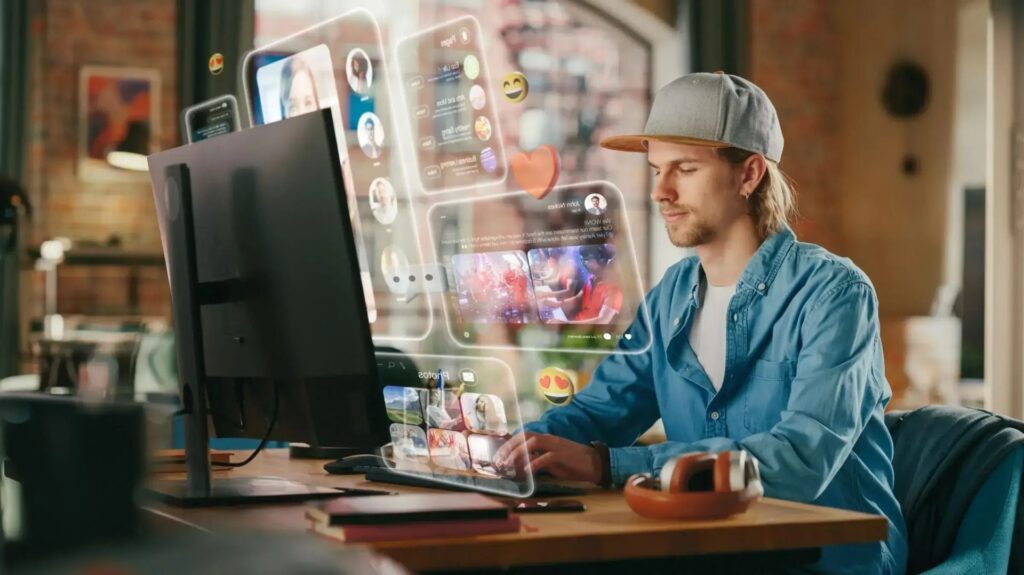
The Future of Freelancing in 2026 is tightly intertwined with remote work and digital nomad lifestyles. With increasing freedom to work from anywhere, freelancers can explore global opportunities while maintaining flexibility.
Key insights include:
- Co-working hubs: Cities worldwide are establishing co-working spaces catering to freelancers.
- Time zone management: Freelancers must optimize collaboration across multiple time zones.
- Work-life balance: Flexible schedules help reduce burnout and increase productivity.
The global remote ecosystem will continue to expand, offering freelancers unprecedented mobility and freedom.
6️⃣ 🛠 Technology and Tools Shaping Freelancing
Technological advancements will define the Future of Freelancing in 2026. Freelancers need to leverage modern tools to remain competitive.
Important technologies include:
- AI-powered project management: Automation tools streamline communication, deadlines, and task management.
- Payment and invoicing platforms: Tools like Payoneer, Wise, and Upwork ensure fast, secure transactions.
- Collaboration software: Slack, Notion, and Trello enhance team coordination and efficiency.
- Skill development platforms: Online courses from Coursera, Udemy, and LinkedIn Learning allow freelancers to stay ahead.
By adopting cutting-edge technologies, freelancers can deliver better services and expand their reach globally.
7️⃣ ⚖ Challenges and How to Overcome Them
While the Future of Freelancing in 2026 is promising, it comes with challenges that freelancers must navigate carefully.
Primary challenges include:
- Income instability: Freelancers may face fluctuating project volumes and payments. Diversifying client portfolios can mitigate risks.
- Competition: As the freelance market grows, standing out becomes more difficult. Specialized skills and strong branding are key.
- Legal and tax considerations: Freelancers must comply with local and international laws to avoid penalties. Professional advice and proper accounting tools can help.
- Mental health and isolation: Remote work can lead to loneliness and burnout. Networking, online communities, and co-working spaces provide social support.
Acknowledging and addressing these challenges is vital for sustainable freelancing success.

8️⃣ 🌟 Strategies for Freelancers to Thrive
Freelancers who proactively prepare for the Future of Freelancing in 2026 will have a competitive edge. Effective strategies include:
- Continuous learning: Stay updated on industry trends and acquire new skills regularly.
- Building a strong personal brand: A professional online presence and a well-crafted portfolio attract clients.
- Networking: Join industry groups, online communities, and professional networks.
- Diversifying income streams: Offer multiple services or work with clients across industries.
- Adapting to technology: Use AI, analytics, and project management tools to enhance efficiency.
Implementing these strategies ensures freelancers are prepared for the evolving freelance economy.
📝 Conclusion
The Future of Freelancing in 2026 is full of promise, innovation, and growth opportunities. With advancements in technology, a shift toward remote and project-based work, and growing global demand for skilled professionals, freelancing is becoming a long-term, sustainable career option.
Freelancers who embrace continuous learning, build strong client relationships, and leverage the latest tools will thrive in this dynamic landscape. Businesses also benefit from accessing specialized talent worldwide. As we look toward 2026 and beyond, the freelance economy is set to reshape traditional employment models, offering flexibility, freedom, and unprecedented professional growth.
Also Read: When to Say No: 10 Critical Red Flags in Clients Every Professional Should Recognize
Image Credits: The featured image has been taken from Mithila Digital Hub